April 14, 2026 · KAEVO
The case for a daily probiotic: why consistency beats CFU count
The dose-response relationship for probiotics runs on time, not just on colony count. Here's why 90 days at a moderate dose outperforms a short burst at a higher one, and how to build the habit that holds.
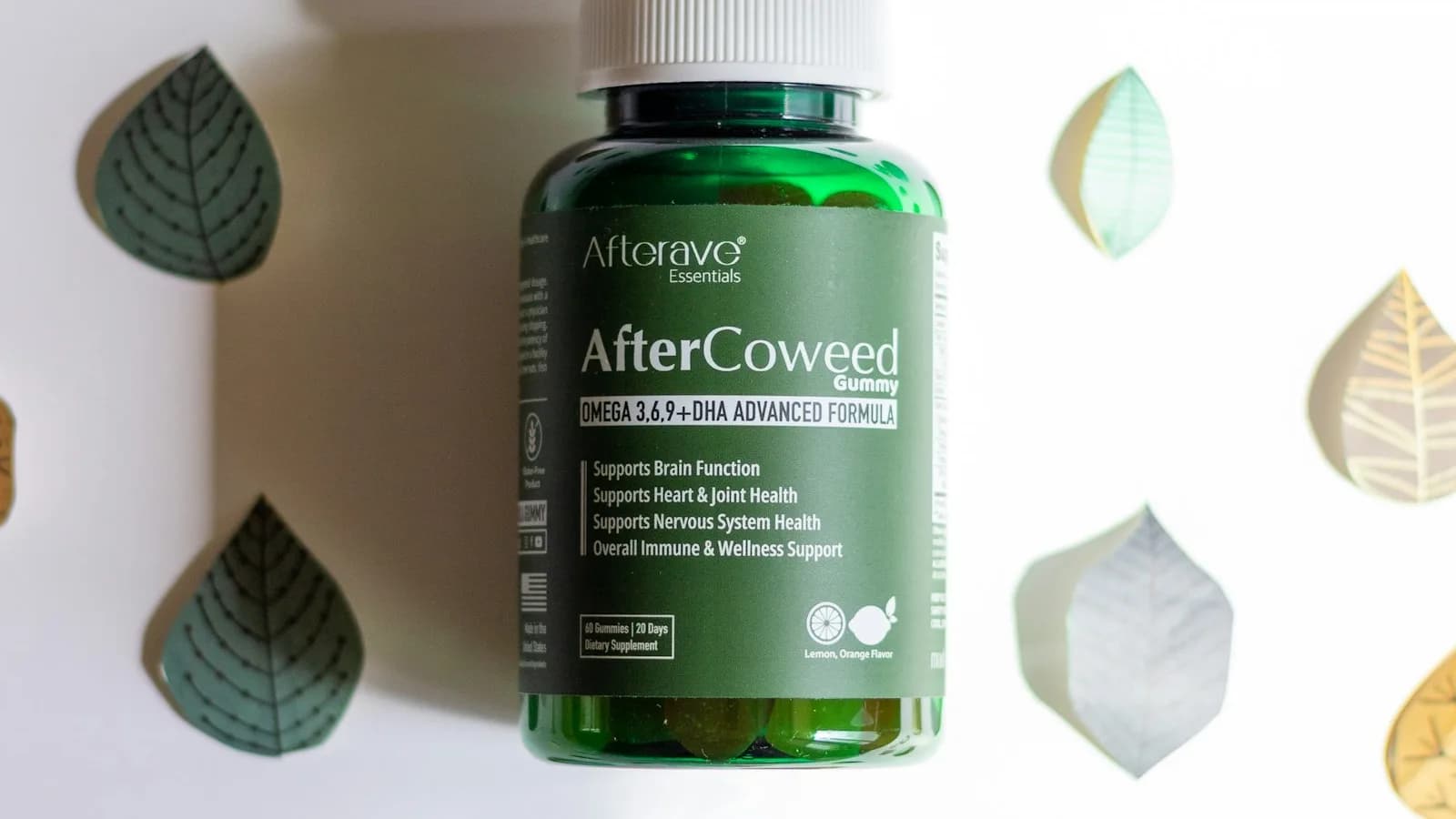
Most probiotic supplements are bought with good intentions and consumed inconsistently. The bottle sits on the counter or in the refrigerator, and you remember to take it for three or four days in a row, then skip a few, then get back to it for a week, then forget again entirely. After two months, the bottle is still half full. You stop thinking of yourself as someone who takes a probiotic.
This matters more than it might seem, because the research on probiotics is clear on one thing that the marketing consistently undersells: the benefit runs on time, not on dose. A daily probiotic taken consistently for ninety days does more than a high-CFU probiotic taken sporadically for thirty. The bacteria are transient. They pass through, do their work, and need to be replaced tomorrow. Skip the replacement long enough and the support fades.
The case for a daily probiotic routine is not really about which formula to buy. It's about building the habit architecture that makes the supplement worth taking in the first place.
Why probiotics work the way they do
Most of the well-studied probiotic strains, including the Lactobacillus and Bifidobacterium families that make up the majority of commercial formulas, do not take permanent residence in the gut. They pass through the digestive system, interact with the gut-wall lining, modulate the local immune environment, and produce beneficial metabolites. Then they move on and are excreted. By the time forty-eight to seventy-two hours have passed, the count of any given strain from yesterday's capsule has dropped substantially.
This is not a flaw in the research or a limitation of supplement strains. It's a feature of how the gut microbiome works. The gut is a competitive ecosystem where resident bacteria have established territory over years. A daily probiotic supplement is not installing new tenants in a vacant apartment; it's sending a daily delivery of beneficial bacteria that exert effects during their transit and are gradually replaced by the next day's delivery.
The implication is that stopping the supplement reverses the benefit over the following weeks. People who have been on a daily synbiotic for six months and stop often notice, within two to four weeks, a return of the small things they had stopped noticing: slightly less consistent digestion, occasional bloating after meals that had become unremarkable, the general background gut comfort that had become the new normal feeling subtly less reliable.
The time-dependency the marketing doesn't emphasize
A pattern worth making explicit: the benefits of a consistent probiotic routine accumulate over a different timescale than the marketing implies. Most probiotic ads suggest fast results, and some people do notice changes within the first two weeks, particularly with digestive regularity or post-antibiotic recovery. But the more meaningful markers, including immune modulation, microbiome composition shifts, and the broader gut-brain-axis effects that some research has documented, take longer to establish.
Several trials that measured specific health markers found the clearest results at the 8-week and 12-week marks rather than at weeks 2 or 4. A consistent daily intake at 30 to 40 billion CFU outperformed sporadic intake at 100 billion CFU in at least one head-to-head study design, precisely because the consistency of bacterial delivery mattered more than the size of any single dose.
The 90-day frame isn't arbitrary. It reflects the time needed for the microbiome to develop a new normal in response to consistent daily input, and it's the window after which people who are going to notice a meaningful difference tend to clearly recognize one. Three months of consistent dosing is not a trial period after which you decide whether to stop; it's the window in which you establish whether this is part of your routine or not.
Building the daily habit
The unsexy truth of probiotic supplementation is that the limiting factor for most people isn't the strain count or the CFU number. It's remembering to take the thing every day. A 50-billion CFU probiotic sitting in the cabinet six days a week is a 7-billion CFU probiotic in practical terms. Consistency is the variable that the dose number on the label can't compensate for.
The habit architecture that works is the same for any daily supplement: anchor it to an existing daily behavior that never gets skipped. Breakfast is the most reliable anchor for most people. Taking a probiotic with the first bite of food is also good timing from a survivability standpoint; the food buffers the stomach acid that would otherwise kill a higher percentage of the incoming bacteria before they reach the lower gut where they do their work. The probiotic timing post the best time to take a probiotic covers the stomach-acid question in more detail, but the short version is "with the first bite of breakfast" rather than "on an empty stomach" or "before bed."
Setting a phone reminder for the first week is not a sign of disorganization. It's recognizing that a new habit needs an external trigger until the internal one develops. Two weeks of reminder-prompted daily dosing is usually enough to build the cue-behavior association that makes the reminder unnecessary.
What consistency looks like at 30, 60, and 90 days
Understanding the timeline helps calibrate expectations and reduces the impulse to quit before the supplement has had time to work.
In the first two to four weeks, some people notice improvements in digestive regularity or a reduction in occasional bloating. Others notice nothing in this window, which doesn't indicate the supplement isn't working. The bacterial activity during transit is real; whether it produces a noticeable symptom change in this window depends on how much room there was for improvement in the first place.
At four to eight weeks, the microbiome environment is beginning to reflect the regular addition of beneficial strains. Studies that have measured microbiome composition at this stage find measurable shifts in the relative abundance of strains associated with gut health. The person taking the probiotic may or may not notice anything subjective, but the biology is changing.
At 90 days, the picture becomes clearer and more stable. Immune markers in some trials showed the clearest effects at this timepoint. Self-reported gut comfort, measured across various trials, tends to peak at 8 to 12 weeks. People who have kept a consistent habit to 90 days and then run a short experiment of stopping for two weeks often find the stopping more informative than the starting: they notice the regression back toward baseline more clearly than they noticed the initial improvement.
What to look for in a probiotic formula for daily use
Not all probiotic formulas are built for consistent daily use. A few things distinguish a formula designed for the daily-routine context from one designed for shelf presence.
Strain specificity matters more than CFU number. A formula that names its strains (for instance, Lactobacillus rhamnosus GG or Bifidobacterium longum BB536) is making a claim that can be evaluated against published research. A formula that lists "proprietary probiotic blend" without naming strains is making no verifiable claim at all. Named strains with research behind them is the baseline for a formula worth building a routine around.
CFU at expiry matters more than CFU at manufacture. Some labels report the colony count at the time the product was made. By the time it reaches you, has sat in your cabinet, and is halfway through its shelf life, the live count may be significantly lower. A label that specifies CFU at expiry is telling you what you'll actually be getting.
The probiotics vs prebiotics post covers the synbiotic approach in detail: pairing the bacterial strains with prebiotic fibre in the same formula, so the bacteria have food during their transit. The short version is that synbiotic formulas outperform probiotic-only formulas in most head-to-head research because the bacteria perform better with the food source present.
How diet interacts with the daily probiotic
A probiotic habit that runs alongside a diet very low in fibre is a habit with a ceiling. The beneficial bacteria need prebiotic fibre to ferment and thrive during their transit. If the diet doesn't supply it (and most standard Western diets are meaningfully low in prebiotic fibre), the supplement is doing its work in a less hospitable environment.
This doesn't mean the supplement isn't worth taking on a lower-fibre diet; it means the combination of daily probiotic plus improved fibre intake works better than either alone. The foods that contribute most to prebiotic intake are the ones that most nutrition advice already recommends: onions, garlic, leeks, bananas, oats, legumes, and asparagus. Even modest increases in these foods alongside a daily synbiotic produce better outcomes than the supplement alone.
Fermented foods (yogurt, kefir, kimchi, sauerkraut) are a separate category from supplemental probiotics but contribute real live cultures and prebiotic fibre in the vegetable-based versions. The combination of fermented food intake and a daily synbiotic supplement is more effective than either alone, and the easiest way to add fermented foods to the daily routine is to make them part of the same meal that anchors the supplement habit.
The Gut Reset starting point
If you're building a daily probiotic routine next week, the simplest approach is short. Pick a synbiotic formula that names its strains, lists CFU at expiry, and includes prebiotic fibre. Take it with the first bite of breakfast every day. Set a reminder for the first week. Give it 90 days before deciding whether it's earned a permanent place.
KAEVO Flora 40 is a 40-billion CFU synbiotic with named strains and prebiotic fibre, shelf-stable and designed for the daily-routine context. The Gut Reset bundle pairs Flora 40 with KAEVO Reset (the apple cider vinegar baseline) for the two-product daily gut routine. The bundle quiz sorts the broader stack if you want a starting point.
What happens when you stop
Worth knowing explicitly, because it changes how you think about the supplement. People who have been on a daily synbiotic for three to six months and stop typically notice a return of the small digestive things they had stopped noticing, usually within two to four weeks. Slightly less consistent digestion. Occasional bloating after meals that had become unremarkable. The general gut comfort that had become baseline quietly becoming less reliable.
This is not because the gut becomes dependent on the supplement in any harmful sense. It's because the support the bacteria were providing during their daily transit is no longer happening. The bacteria don't accumulate in a way that creates a lasting colony; they provide daily benefit while present and require daily replacement to maintain that benefit. Stop the supply and the effect fades at roughly the same rate it built up.
The practical implication is that a 90-day probiotic "course" is not how the supplement works. There's no ending where you've filled the tank and can coast. The supplement is most useful as a permanent feature of the daily routine, at which point the cost-per-day calculation matters: a high-CFU, well-formulated synbiotic at a reasonable price point is a different proposition than an expensive formula requiring large servings several times a day. The routine that costs less and is sustained for three years outperforms the optimal formula that gets abandoned after four months.
The short version
A daily probiotic habit works on time more than on dose. Ninety days of consistent daily intake at a moderate CFU count outperforms sporadic high-dose use because the bacteria are transient and need daily replenishment to maintain their effect. The habit architecture matters as much as the formula. Anchor the supplement to breakfast, name a strain count you can evaluate, pair it with a synbiotic formula that includes prebiotic fibre, and give it three months at consistent dosing before judging the result. The routine that sticks is more valuable than the formula that looks most impressive on the shelf.