May 2, 2026 · KAEVO
How to improve sleep quality: the levers ranked by actual impact
There are dozens of things said to improve sleep quality. Most make little difference. Here are the ones that do, ranked by evidence and impact, and the order to address them in.
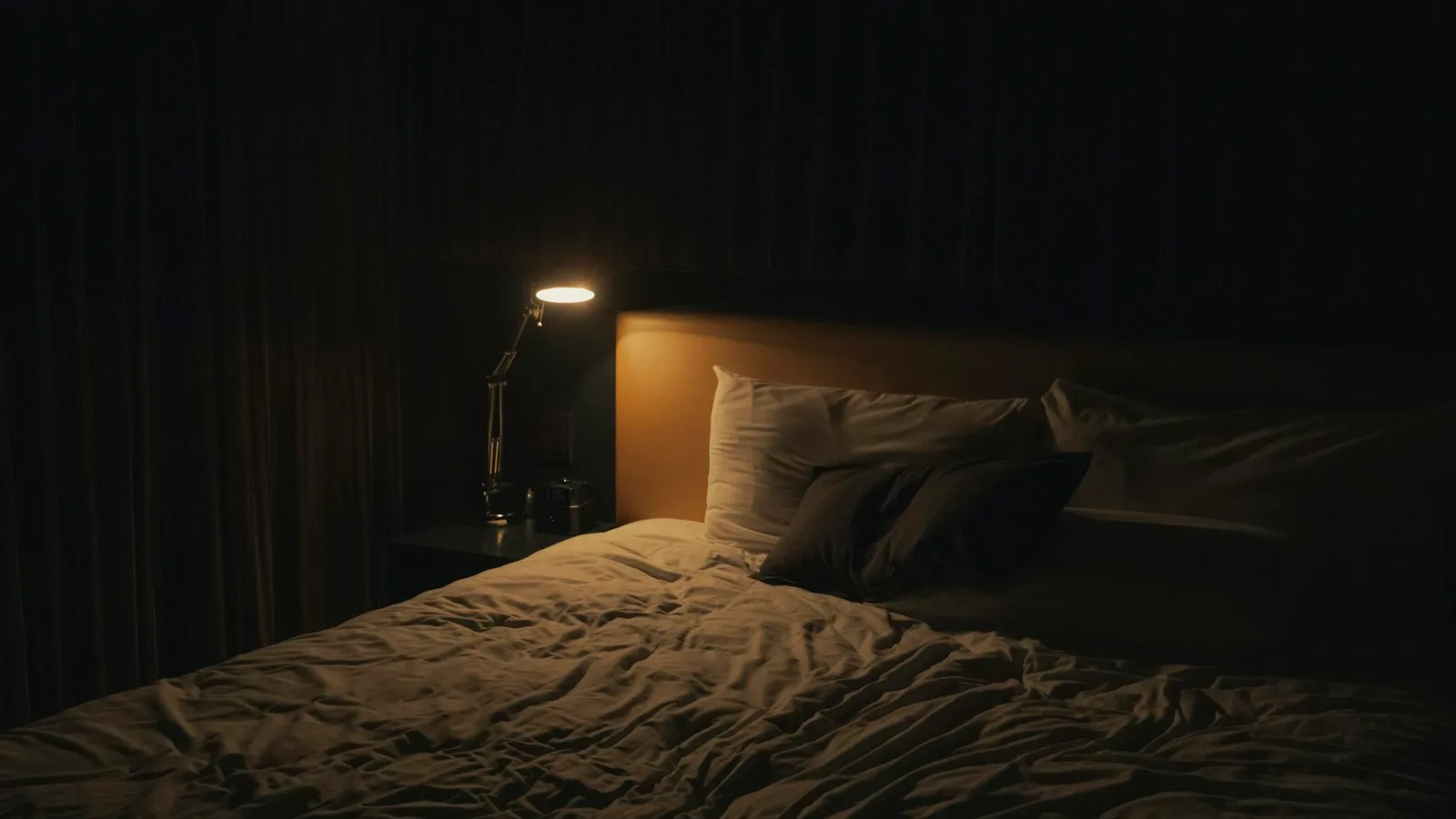
Sleep quality is a harder concept to measure than sleep quantity, but it's the one that actually predicts how you feel the next day. Two people can spend eight hours in bed and have radically different experiences: one wakes feeling restored and functional, the other wakes feeling as though they barely slept. The difference is almost always in quality rather than duration.
Sleep quality refers to the architecture of the sleep that occurs: how much of it is deep slow-wave sleep (physically restorative, growth hormone releasing), how much is REM (cognitively restorative, emotionally consolidating), how fragmented or continuous it is, and how many micro-arousals interrupt the cycles without producing full wakefulness. These aren't things most people can measure without a tracker, but they're what produces the subjective experience of feeling either rested or depleted after a full night.
The good news is that the factors that improve sleep quality are mostly the same ones that help with sleep quantity. The bad news is that the list of things marketed for sleep quality is long and mostly ineffective, and the things that actually work are not the ones with the loudest marketing.
The ranked list
Here are the interventions with real evidence, in order of typical impact for the general adult population.
Alcohol reduction or elimination, particularly evening alcohol. This is the highest-impact single change for most adults who drink, because the negative effect of alcohol on sleep architecture is both large and widely underestimated. Alcohol increases slow-wave sleep in the first half of the night (which feels like sleeping "deeply") but suppresses REM sleep, fragments sleep in the second half, and increases the frequency of full awakenings. The net effect is subjectively poor sleep even when duration is adequate. People who eliminate or significantly reduce evening alcohol often report the most dramatic improvement in how rested they feel in the morning of any change they've made. A clear test: no alcohol for two weeks, and compare.
Consistent sleep and wake timing. The body's circadian clock works best when anchored to a consistent schedule. Irregular sleep timing produces something like chronic mild jet lag: the clock is perpetually being asked to shift, and it never fully adapts. The result is fragmented sleep with suboptimal transitions between sleep stages. A consistent wake time (the same time every day, including weekends) is more impactful than a consistent bedtime because morning light is the primary zeitgeber (time-setter) for the circadian system. After two to four weeks of consistent wake timing, sleep onset tends to become earlier and more reliable, and the quality of sleep within the window improves.
Caffeine timing. As covered in the why can't I sleep post, caffeine reduces slow-wave sleep even when it doesn't detectably delay sleep onset. A person who falls asleep fine after a 4 p.m. coffee may still have measurably reduced deep sleep and more fragmented sleep architecture without knowing it. Moving the caffeine cutoff earlier improves sleep depth even for people who don't experience obvious insomnia from late caffeine.
Evening temperature management. The core temperature drop required for quality sleep is impaired by a warm bedroom. Sleep architecture is better in cooler rooms. The 16 to 19 Celsius range (60 to 67 Fahrenheit) produces the best sleep architecture in research settings. Most people sleep warmer than this. A cooler room or cooler bedding is one of the most reliably effective and underused tools for improving sleep depth.
Exercise, timed correctly. Regular aerobic exercise improves sleep quality through several mechanisms: it increases slow-wave sleep, improves sleep continuity, and reduces the time it takes to reach deep sleep stages. The timing caveat: vigorous exercise within two hours of bed raises core temperature and cortisol in ways that can delay sleep onset and reduce quality. Morning or early afternoon exercise produces the sleep quality benefit without the timing cost.
Light management in the evening. Blue-spectrum light suppresses melatonin and delays the circadian shift toward sleep. Poor evening light management degrades the timing and quality of melatonin production, which affects both sleep onset and the early stages of the sleep cycle where melatonin is most active. Dimming the environment and reducing screen brightness in the 60 to 90 minutes before bed improves melatonin onset and the quality of the sleep that follows. See the evening wind-down routine post for the full protocol.
Supplements that genuinely affect sleep quality
Most supplements marketed for sleep either sedate (melatonin at high doses, antihistamines, some herbal blends) or do little that's detectable. The ones that genuinely affect sleep architecture rather than just promoting drowsiness are a shorter list.
Magnesium glycinate has the clearest evidence for sleep quality improvement among general supplements. It supports the NMDA regulation and HPA axis calming that affect sleep depth and continuity, not just onset. Trials have shown improvements in sleep efficiency (the proportion of time in bed actually asleep), reductions in nighttime waking, and improvements on sleep quality scales after four to eight weeks of consistent nightly use. The effect is most pronounced in people with below-optimal dietary magnesium intake, which includes most adults eating a modern diet. Dose: 200 to 400 mg elemental, 45 to 60 minutes before bed. The best magnesium for sleep post covers form and dose in detail.
Glycine at 3 grams before bed has shown improvements in slow-wave sleep and subjective sleep quality in small but well-designed trials. The proposed mechanism includes core body temperature reduction (glycine promotes the peripheral vasodilation that facilitates temperature drop) and direct effects at glycine receptors in areas of the brain regulating sleep. Magnesium glycinate delivers a lower amount of glycine alongside the magnesium; standalone glycine at 3 grams is the research-relevant dose for the sleep quality application specifically.
L-theanine at 200 mg has evidence for improving sleep quality in populations where pre-sleep anxiety or mental activation is contributing to fragmented sleep. It shifts brain wave patterns toward alpha activity and reduces the rumination that fragment the early stages of sleep. It works best when combined with magnesium glycinate because the two address different mechanisms that often coexist.
What doesn't meaningfully improve sleep quality
A few things with significant marketing presence and limited evidence for sleep architecture effects:
Melatonin at doses above 1 mg. Higher doses may help with sleep timing (delayed sleep phase, jet lag) but don't improve sleep quality in people without circadian timing problems. The common 5 to 10 mg retail dose often produces morning grogginess rather than better sleep depth.
Most "sleep support" herbal blends at the doses typically used. Valerian, chamomile, passionflower, and similar botanicals have inconsistent evidence for sleep quality at the doses available in standard supplements. They may reduce subjective anxiety about sleep without substantially changing sleep architecture.
Weighted blankets have modest evidence for anxiety reduction but limited evidence for objective sleep quality improvement in general adult populations. They're useful for some people with sensory processing differences or significant pre-sleep anxiety.
How to track whether changes are working
One challenge with improving sleep quality is that the feedback signal is slow and noisy. A single bad night after starting a new intervention tells you nothing. A pattern across two to four weeks tells you something meaningful.
The most practical tracking approach is a brief daily note on two metrics: subjective sleep quality on a 1 to 5 scale each morning, and a note on any obvious contributing factors (alcohol the night before, late caffeine, stressful evening). After two weeks, the pattern becomes readable. A consistent improvement in the quality score, holding other factors stable, indicates the intervention is working. No change indicates either that the change isn't helping this specific driver, or that the timeframe is too short for the slow-building interventions (magnesium typically takes two to four weeks).
A phone-free notepad by the bed, used for 30 seconds each morning, is enough to generate useful data. Sleep tracking apps and devices can add useful detail (heart rate variability, sleep stage estimates) but often over-complicate the feedback loop. The subjective morning rating is the metric that most directly captures what you're trying to improve.
The stopping test is also informative. After a supplement has been in the routine for eight weeks and the score has improved, stopping for two weeks and tracking whether the score regresses is the clearest signal that the supplement was doing something. Many people find the regression more informative than the original improvement, because it's a more direct experiment: holding everything constant and removing one variable.
Putting it together as a routine
Improving sleep quality works best as a systematic process rather than a single change. Start with the highest-impact behavioral changes first (alcohol, schedule consistency, caffeine timing) before adding supplements, because supplements work better when the behavioral inputs are handled. A two-to-three-week experiment with each behavioral change provides a clear signal about what that variable was contributing.
Once behavioral inputs are optimized, adding magnesium glycinate for four to six weeks provides a baseline signal for whether the nutritional piece was a factor. People who notice a clear shift can credit the supplement; people who notice nothing have learned that their sleep quality issues lie elsewhere.
KAEVO Unwind is the magnesium glycinate evening anchor, designed for consistent nightly use. The Night Reset bundle pairs Unwind with KAEVO Night for a complete evening recovery routine that addresses both the mineral foundation and the sleep architecture support.
Sleep hygiene versus sleep restriction
A note on framing that matters for people who have been trying standard sleep hygiene advice for months without results. Sleep hygiene (the collection of behavioral recommendations: consistent timing, dark room, cool temperature, no screens) is genuinely effective for most people with mild to moderate sleep quality issues. But for people with established insomnia, meaning difficulty sleeping that's been present for more than three months and significantly affects daytime function, sleep hygiene alone often isn't enough.
The reason is that established insomnia develops its own maintaining mechanisms: the bed becomes associated with wakefulness and worry, the anxiety about sleep becomes a driver of arousal independent of the original cause, and the pattern has a self-reinforcing quality that lifestyle changes alone don't always break.
For this group, sleep restriction (a structured protocol of reducing time in bed to build sleep pressure and then gradually extending it as sleep efficiency improves) is significantly more effective than hygiene adjustments alone. It's the core behavioral technique in CBT-I and it works by directly targeting the sleep-pressure and bed-association maintaining mechanisms rather than just the inputs that originally caused the problem.
The distinction is worth making because a person who has tried the hygiene recommendations and found them insufficient shouldn't conclude that behavioral approaches don't work for them. They may need a more structured intervention rather than a gentler one.
The short version
Sleep quality is determined more by behavioral inputs than by any single supplement. The highest-impact changes, in order, are: reducing or eliminating evening alcohol, establishing consistent wake timing, moving the caffeine cutoff earlier, cooling the bedroom, exercising earlier in the day, and managing evening light. Among supplements, magnesium glycinate has the clearest evidence for sleep quality improvement and works through multiple mechanisms relevant to sleep architecture. L-theanine and glycine are useful secondary additions. Most marketed sleep supplements don't affect architecture. The sequence between interventions matters less than the consistency of each one. A person who consistently cools their bedroom, cuts caffeine at noon, and takes magnesium glycinate nightly for eight weeks will have better data on what's driving their sleep quality than someone who changes three things simultaneously. But if changing three things together is what the person can actually sustain, that's better than the perfectly sequenced protocol that gets abandoned by week three. Consistency over methodology.
Address behavioral inputs first, add supplements to close the remaining gap, and give each intervention two to four weeks before evaluating.